






汇旺倒台7個月後,東南亞擔保平台大洗牌


- 核心觀點:匯旺支付倒閉後,東南亞非法擔保平台市場並未消亡,反而由「新幣、金貝、達利、福利來」等平台接力,繼續為網路詐騙、人口販賣和洗錢等黑灰產提供金融中介服務,形成規模更大、更隱蔽的地下金融網路。
- 關鍵要素:
- 匯旺集團覆滅:匯旺因太子集團被美國司法部打擊而倒閉,其累計接收超240億美元加密資金(UNODC數據),金主陳志名下127萬枚BTC被沒收,90萬用戶資金被套。
- 新幣平台崛起:新幣擔保自2022年成立以來,總收入已超16億USDT,其自研支付工具Newpay被用於洗白被盜加密資產,是潛在接替匯旺的最大平台。
- 領航/老虎擔保涉人口販賣:該平台公開為「強押車(綁架)」交易提供擔保服務,5個月內流入押金超1億美元,實際資金量遠超此數,與跨國人口販賣直接相關。
- 金貝/金博脫胎於賭場:原由太子集團創始人及柬埔寨權貴創立,主攻網路博彩擔保,被制裁後更名運營,旗下多數園區仍可運作。
- 達利與福利來繼承份額:匯旺旗下土豆擔保停兌後,達利擔保的OkPay及福利來的FullyLight Wallet承接了大量用戶,三家支付工具在一年內收取資金超48億USDT。
- 整體規模遠超傳統暗網:僅匯旺擔保市場累計收款超310億美元,匯旺支付處理超1030億美元加密貨幣,使其成為有史以來規模最大的在線非法市場。
Original|Odaily Planet Daily (@OdailyChina)
Author|Wenser (@wenser 2010 )

On December 1 last year, Huione Pay, known as the "Southeast Asian Alipay," officially collapsed.
Since then, the tumultuous "era of Southeast Asian financial freedom" has come to a definitive end. Unexpectedly, the "war of escrow platforms" did not conclude; instead, it kicked off a new round of turf wars. More escrow platforms rose to prominence, absorbing the users and market share left by Huione, unfolding another act of a drama interwoven with elements like "finance and freedom, illicit activities and money laundering, trust and escrow."
Today, escrow platforms such as Xinbi, Jinbei, Dali, and Fulilai have gradually stepped into the spotlight, inheriting Huione's legacy: on one hand, they facilitate illicit activities and money laundering; on the other, they continue to play the commercial role of "trust intermediaries."
In the land of Southeast Asia, which embodies both openness and conservatism, another storm involving money, dreams, and danger has begun.
The Death of Huione: $15 Billion in BTC Seized by the US, 900,000 Users Lose Everything
Four years ago, in 2021, Huione was merely an obscure currency exchange platform in Cambodia, with an early business throughput of about $2-3 billion. Four years later, this exchange platform had transformed into an underground financial empire centered around its escrow service, handling hundreds of billions of dollars — according to the *UNODC May 2025 Report*, it had cumulatively received over $24 billion in crypto funds. Supporting this system were 900,000 registered users, 9,289 public Telegram groups, and the gray and black industry network behind these groups, woven from scam compounds, human trafficking, and pig-butchering schemes.
Behind this vast network of interests stood Chen Zhi, the de facto controller of the Prince Group. In October 2025, the U.S. Department of Justice and Treasury filed criminal charges against Chen Zhi, issued a global arrest warrant, and seized 127,000 Bitcoins under his name (then valued at approximately $15 billion), setting a record for the single largest crypto asset seizure in U.S. judicial history. The Prince Group thus became a thing of the past. (Recommended reading: "$15 Billion BTC Changes Hands: The U.S. Justice Department Crushes Cambodia's Prince Group, Making It the World's Largest BTC Whale.")
The collapse of the Prince Group almost immediately impacted Huione. As the primary financial backer and liquidity provider went down, Huione's funding chain snapped. On December 1, 2025, Huione announced a delay in payment redemptions. Two days later, the National Bank of Cambodia claimed its license had been revoked as early as 2024 and the company had been liquidated. The once-bustling offline scene of "issuing thousands of tickets daily, with queues to withdraw cash" ultimately became a string of numbers on account ledgers ranging from thousands to hundreds of thousands of dollars, but no longer withdrawable.
An industry insider lamented that taking down Huione was like "shaking the foundation of Cambodia's gray industry." But beneath the foundation, new escrow platforms were already growing like weeds in the dark.
After Huione, Who Are the "Next Southeast Asian Alipays"?
As early as May 14, 2025, security firm Elliptic reported that Telegram had banned thousands of groups and channels linked to "Xinbi escrow" crypto crimes. The platform had processed over $8.4 billion in suspicious transactions by 2024, placing it alongside the Huione Group as one of the "largest crypto black markets."
After Huione fell, Xinbi and other second-tier escrow platforms became more cautious, hiding their escrow operations behind various proprietary platforms.
Xinbi (XinBi): The Most Likely Candidate for "Second Huione," with Total Revenue Exceeding $1.6 Billion
In early July this year, a case involving the theft of $1.7 million in user assets from a crypto exchange brought Xinbi back into the public spotlight.
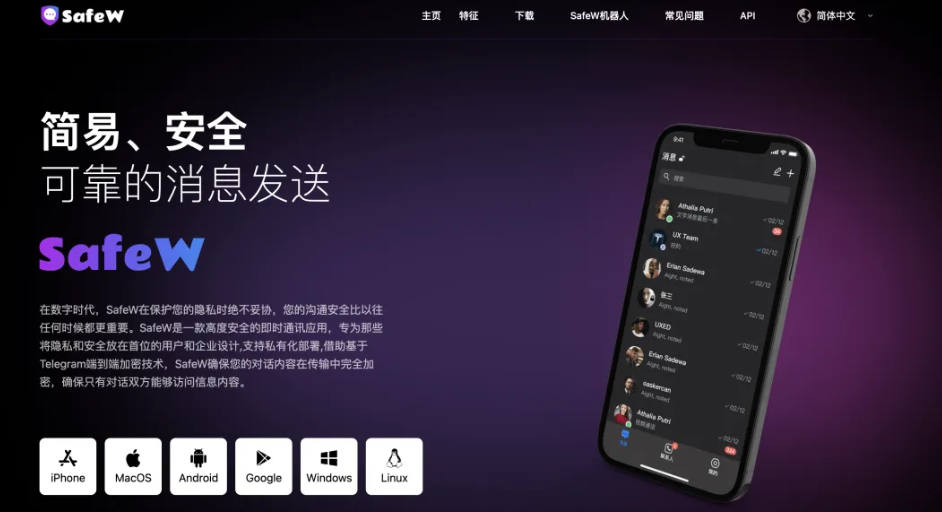
Security firm Bitrace, through a series of on-chain investigations, found that after extracting the victim's funds, the attacker split the stolen money and transferred it in multiple transactions to a single Newpay platform user address. This entity is a crypto payment tool launched by Xinbi Escrow, formerly known as Xinbi Wallet, a Telegram Bot-based no-KYC payment tool launched in 2025 (Odaily Note: Xinbi's self-developed app Xinbipay later replaced this channel, users were migrated to a mobile app, and it was eventually renamed Newpay to evade regulation).
According to Bitrace's monitoring, the Xinbi Escrow platform, established in 2022, has generated total revenue exceeding 1.6 billion USDT. Its business growth has been particularly rapid since the collapse of the Huione Group.
Linghang/Tiger Escrow: An "Escrow Platform for Human Trafficking" Disguised as "Overseas Labor Dispatch"
Among the top escrow platforms in Southeast Asia, Linghang Escrow is the only one that operates "public and private groups for overseas labor dispatch" (Odaily Note: Public groups refer to open groups offering long-term transaction escrow services, while private groups refer to closed groups offering temporary transaction escrow services, similar to large and small groups on WeChat). The platform explicitly states that it provides escrow services for "compulsory escort transactions" (Odaily Note: "Compulsory escort" is industry jargon for kidnapping).
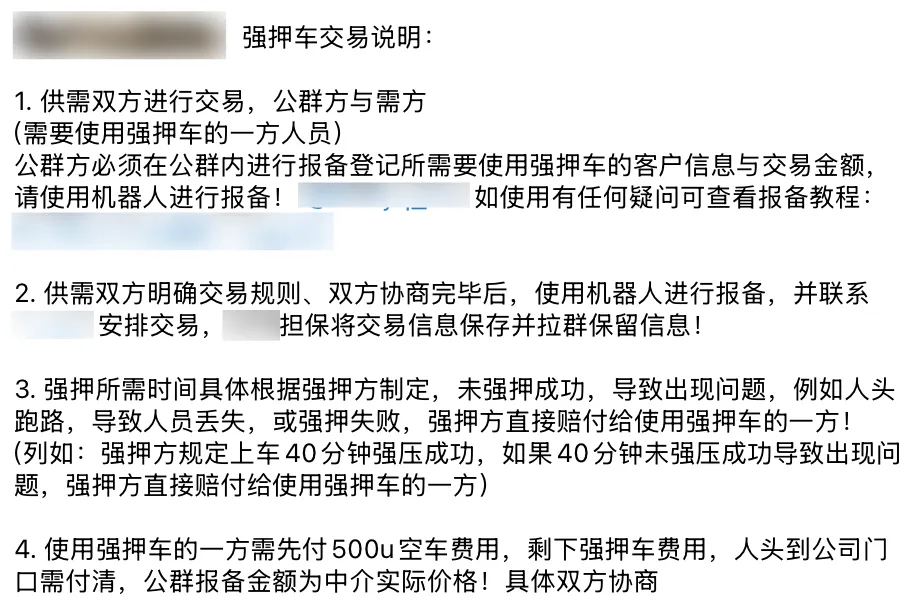
According to Bitrace monitoring, an escrow address for a specific private group under Linghang Escrow was activated on February 23, 2025. In less than five months, over $100 million in USDT flowed into it. This represents only the deposits submitted to the private group address by merchants operating "compulsory escort escrow services" under Linghang. Within this deposit limit, merchants can repeatedly execute business, meaning the actual business volume and funds related to cross-border human trafficking in Southeast Asia are far higher than this figure.
Jinbei/Jinbo: An Escrow Platform Focused on Online Gambling
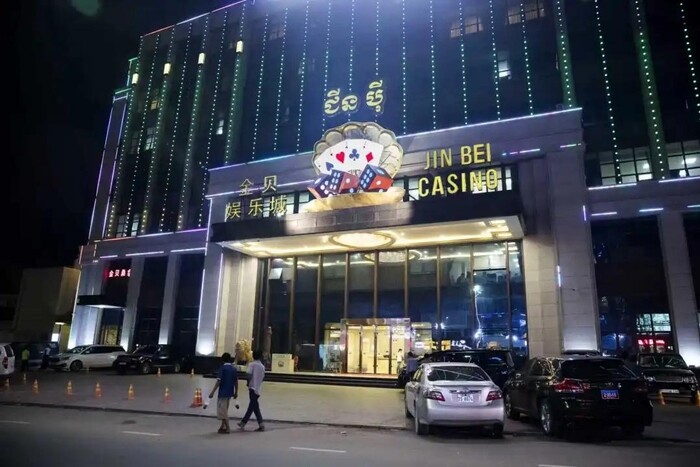
This platform was originally co-founded by Prince Group founder Chen Zhi and children of Cambodian government officials, fully named Jinbei (Cambodia) Investment Co., Ltd. To fly under the radar, the company was reportedly closely tied to Chen Zhi's casino operations in Sihanoukville, Cambodia, and thus primarily targeted online gambling-related escrow services.
Following the collapse of the Prince Group, Jinbei also faced sanctions from the U.S. government. Last year, the Cambodian Gambling Commission and police cracked down and shut down some of Jinbei's casinos. However, sources later revealed: "Only Jinbei 1 and Jinbei 3 casinos were closed; six related compounds under Jinbei continued normal operations." Currently, Jinbei has been renamed the Jinbo Escrow Platform.
Dali/Tiancheng Escrow: Inherited Huione's Potat Escrow
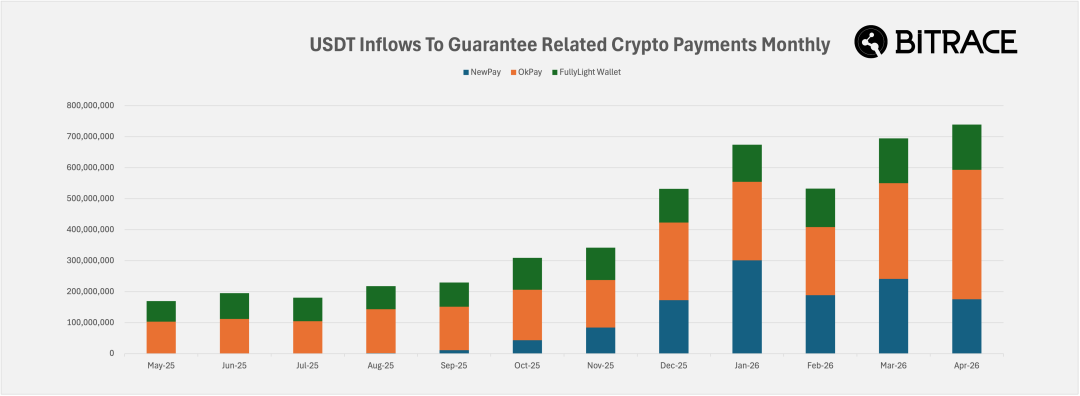
According to Bitrace monitoring, after Potat Escrow and Huione (Hao Wang) Pay suspended redemptions, the user base of Xinbi Escrow, Dali Escrow, Fulilai Escrow, and their payment tools grew significantly. Dali Escrow's OkPay inherited a large number of Potat Escrow's public groups, showing the largest increase.
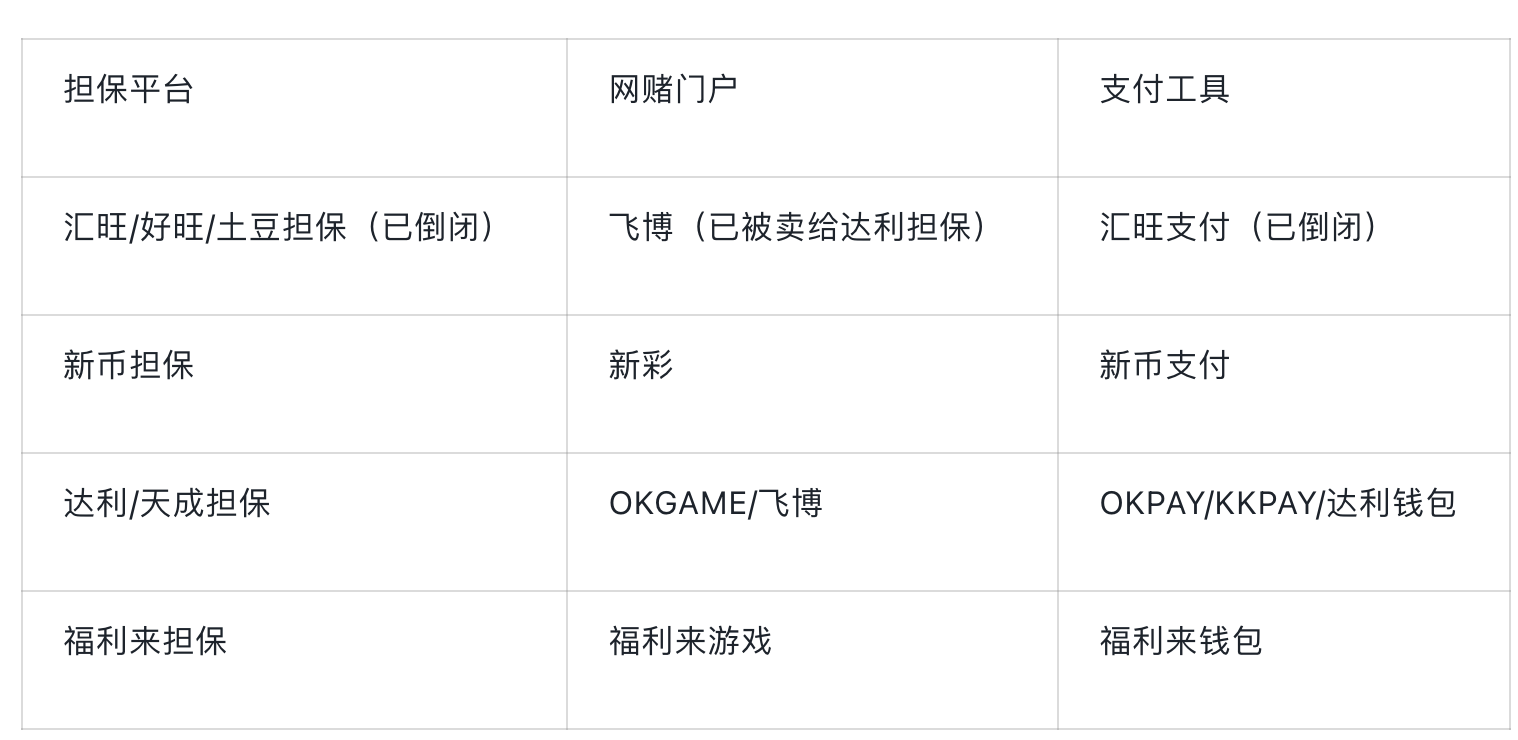
Statistics show that from May 2025 to April 2026, the three payment tools NewPay, OkPay, and FullyLight Wallet collectively processed over 4.8 billion USDT. Currently, Dali Escrow is primarily active under the name Tiancheng Escrow.
Fulilai Escrow: Compound Industry Chain of One of the Four Major Families in Northern Myanmar
In 1996, after completing primitive capital accumulation through drug trafficking in the early years, Liu Zhengxiang (born Liu Abao) founded the Fulilai Group in the Kokang Self-Administered Zone of Myanmar. Later, the group's business expanded into cultural tourism, hotels, real estate, and entertainment, gradually becoming the core enterprise of the Liu Abao family and propelling him to become "one of the four major families in Northern Myanmar."
In 2025, the Ministry of Public Security cracked down on the Liu family criminal syndicate case. The investigation found that the family was involved in over 2.6 billion yuan in fraud funds, over 8 billion yuan in gambling funds, more than 17 million yuan in extortion money, and over 16 million yuan in illegal proceeds from organizing prostitution.
It is worth noting that Fulilai Escrow primarily served local major scam compounds, established to meet their "labor needs." Currently, with the Liu family criminal syndicate dismantled.

When Escrow Platforms Become Intermediaries for the Black Industry, 'Southeast Asian Alipay' Is Just a Facade
In June this year, during "Operation Riptide," conducted by Elliptic in cooperation with the FBI, data related to the Huione platform was updated. Huione's escrow market cumulatively received over $31 billion; Huione Pay processed over $103 billion in cryptocurrency payments. Huione Escrow became the largest online illegal market ever operated, far surpassing previous dark web markets like Silk Road ($216 million), AlphaBay (over $1 billion), and Hydra (over $5 billion).
Looking back at the five escrow platforms mentioned above, they represent just one lesser-known dark corner of Southeast Asia's "distorted financial ecosystem." In this rapidly developing land, unprepared with necessary infrastructure or institutional readiness, financial services have become a breeding ground for crimes like human trafficking, compound scams, pig-butchering schemes, and online gambling.
The so-called "Southeast Asian Alipay" is merely an ironic label from the outside, not a commercial achievement.
Right now, they might be enjoying their glory days of raking in millions daily, but justice will not be absent.
References:
Behind $15 Billion: The Rise and Fall of an Telecom Fraud Empire
2026 Investigation Report on Illegal Cryptocurrency Transaction Escrow Platforms by Bitrace


