Base's Coin Issuance Experiment: Can Celebrity Effect Support the Ecosystem Flywheel?


- 核心观点:Base联创发个人代币实为生态营销。
- 关键要素:
- Jesse宣布11月20日发jesse代币。
- 历史行为显示其频繁推广生态项目。
- Zora因消息日内上涨约8%。
- 市场影响:短期提振生态热度,风险需警惕。
- 时效性标注:短期影响
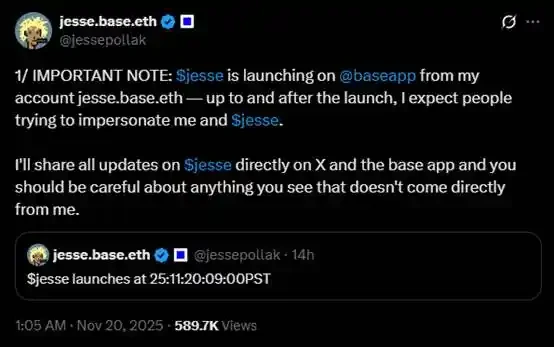
Today, Base co-founder Jesse Pollak announced that his personal creator token, jesse, will be launched on the Base App on November 20th at 9:00 AM Pacific Standard Time (1:00 AM Beijing Time on November 21st). The jesse token will be issued through his Base App account, jesse.base.eth.
Thanks to this news, Zora, which powers the Base App's creator token, rose by about 8% during the day.
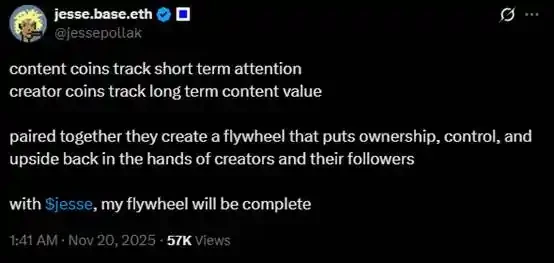
Why did Jesse launch his personal token? His explanation on X is, "Content tokens track short-term attention, while creator tokens track long-term content value. The combination of the two creates a flywheel effect, returning ownership, control, and revenue rights to creators and their fans. With $jesse, my flywheel effect will be complete."
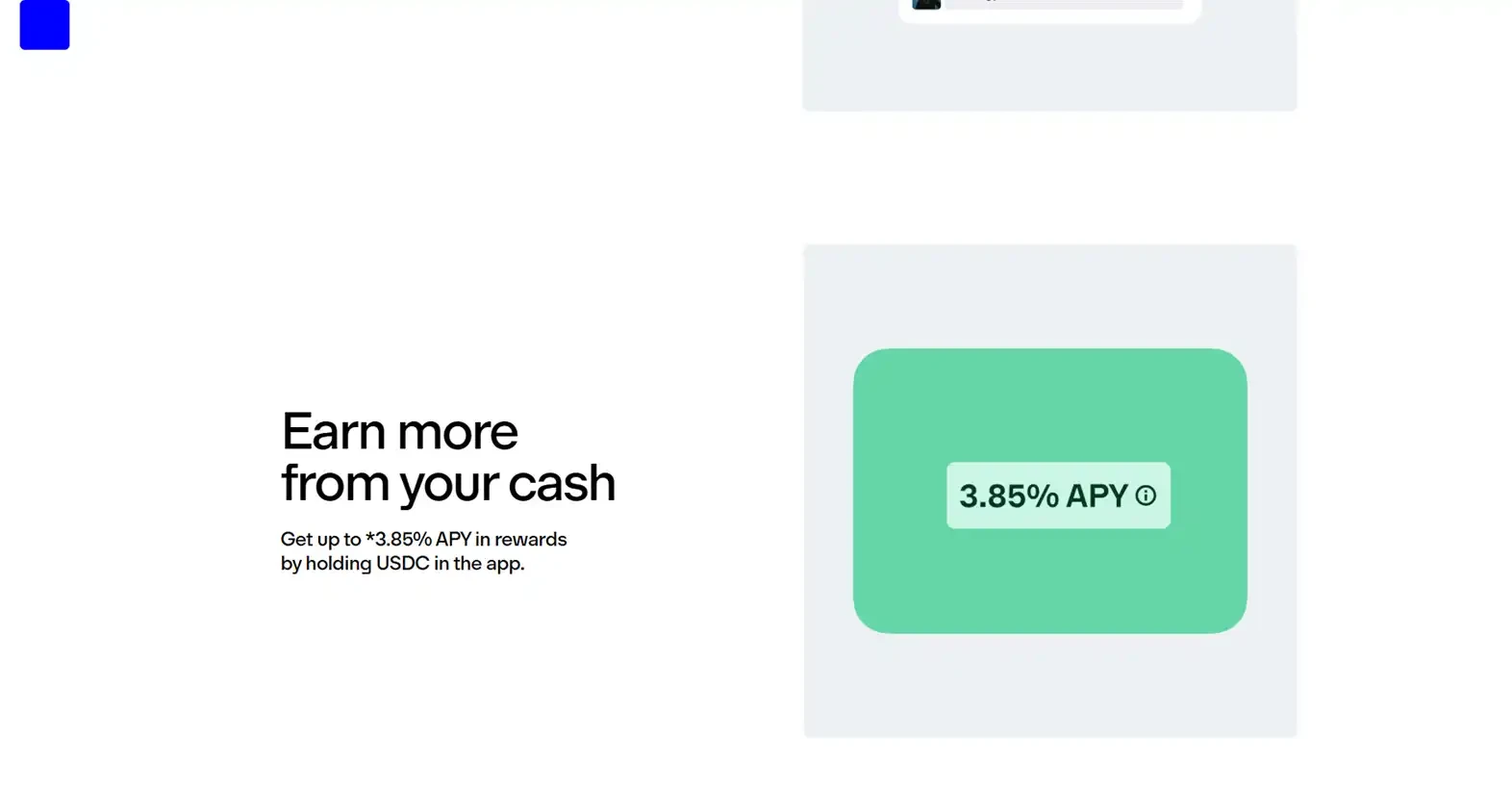
But in reality, this is more like them personally advertising for the Base App. The Base App is very similar to Coinbase's own "Alipay". It is not only the application hub of the Base network, but also a social network with a creator economy mechanism. It can also be used for token trading and transfer, and even has a "Yu'ebao" – USDC in the Base App can enjoy an annualized yield of up to 3.85%.
Ironically, Jesse's explanation above regarding his reasons for issuing his personal token was a response to a tweet like this:
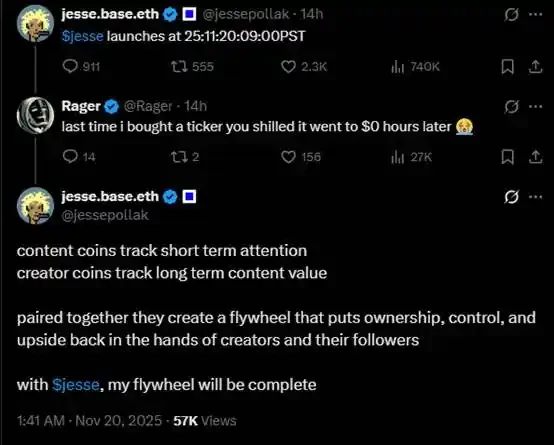
"Last time I bought a token you were promoting, it went to zero a few hours later."
Among prominent figures in the cryptocurrency world, Jesse doesn't leave a good impression on retail investors; he's notorious for "loving to give trading advice but forgetting about it immediately afterward." However, from the perspective of his role as co-founder of Base, aiming to attract attention and promote the development of his blockchain, his actions are actually quite understandable.
On April 17, Base's official Twitter account posted a message with a picture, saying "Base is for everyone," and left a link to the token launched on Zora in the comments section of the tweet.
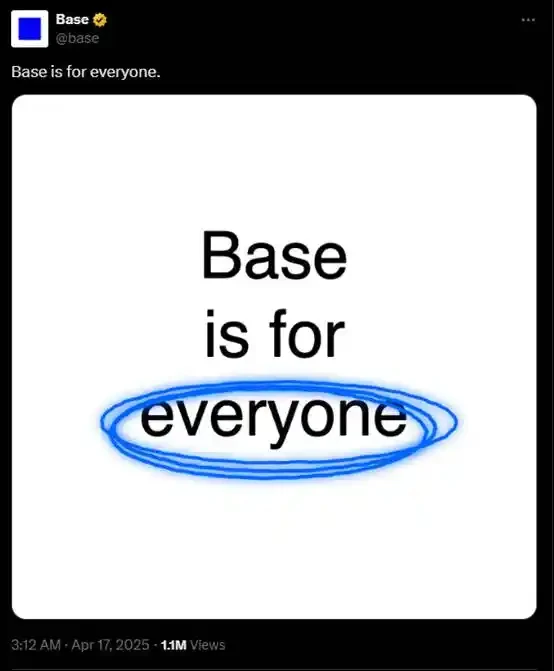
The token's market capitalization surged to $17 million instantly, then plummeted 90% within five minutes. In response, a Base spokesperson stated in an email reply to The Block that Base did not launch "Base is for everyone," as it was automatically minted on the Zora platform, and Base simply posted a message about it on that platform. The token is neither an official Base token, nor has Base officially sold it.
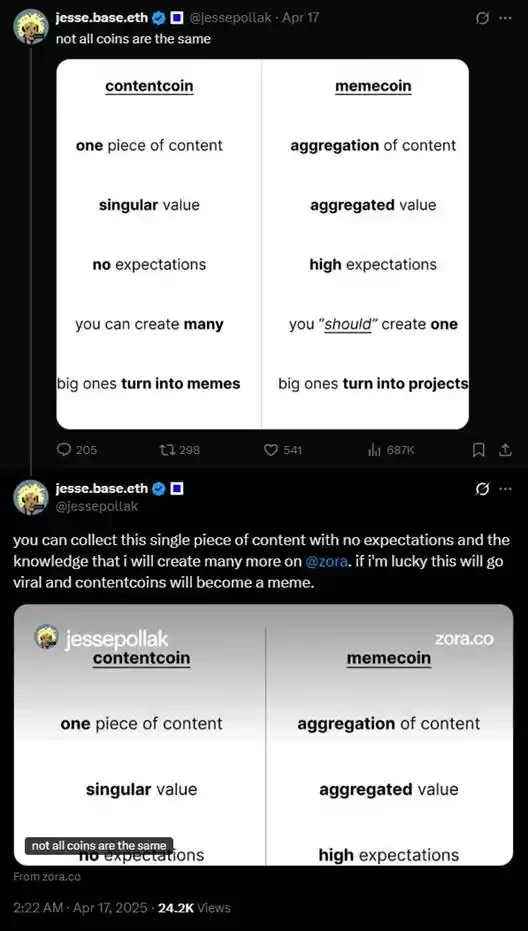
Actually, about an hour before Base's official tweet, Jesse had posted one of his tweets about the difference between content coins and meme coins on Zora, turning it into a coin. In the following days, he enthusiastically shared his views on content coins, and a week later, Zora launched its own coin.
An interesting anecdote worth mentioning is that Alon, the founder of pump.fun, jumped out and claimed that the idea of tokenizing everything was harmful to the market, especially to influential people. He argued that issuing tokens meant taking on corresponding responsibilities, which is an unwritten but tacit rule on the blockchain.
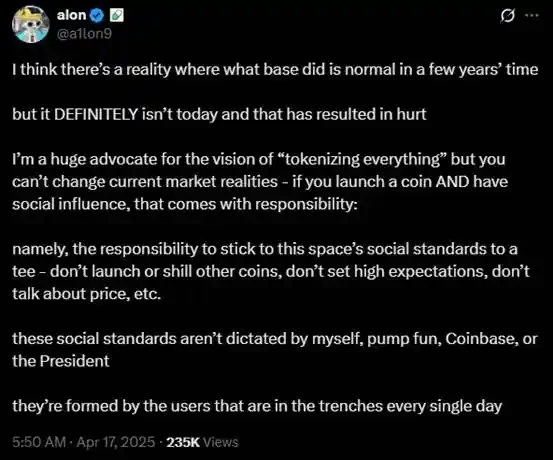
Now, Alon, who was once a righteous figure, is constantly being questioned by his adversaries, "Where are you airdropping your tokens?", while Jesse has finally stepped forward to personally issue a token that takes responsibility. That's just how amazing the crypto world is.
Besides posting a bunch of content-related tokens on Zora related to his tweets, Jesse also buys tokens, for example:
- On July 18, 2024, I spent 0.3 ETH to buy MIGGLES, a meme coin in the Base ecosystem. Its market value later reached a peak of about $120 million, and its current market value is about $8.8 million.
- On November 21, 2024, I spent 0.333 ETH to buy ANON, a meme token deployed by clanker AI on farcaster in the Base ecosystem. Its market value then reached a peak of about $65 million, and its current market value is about $970,000.
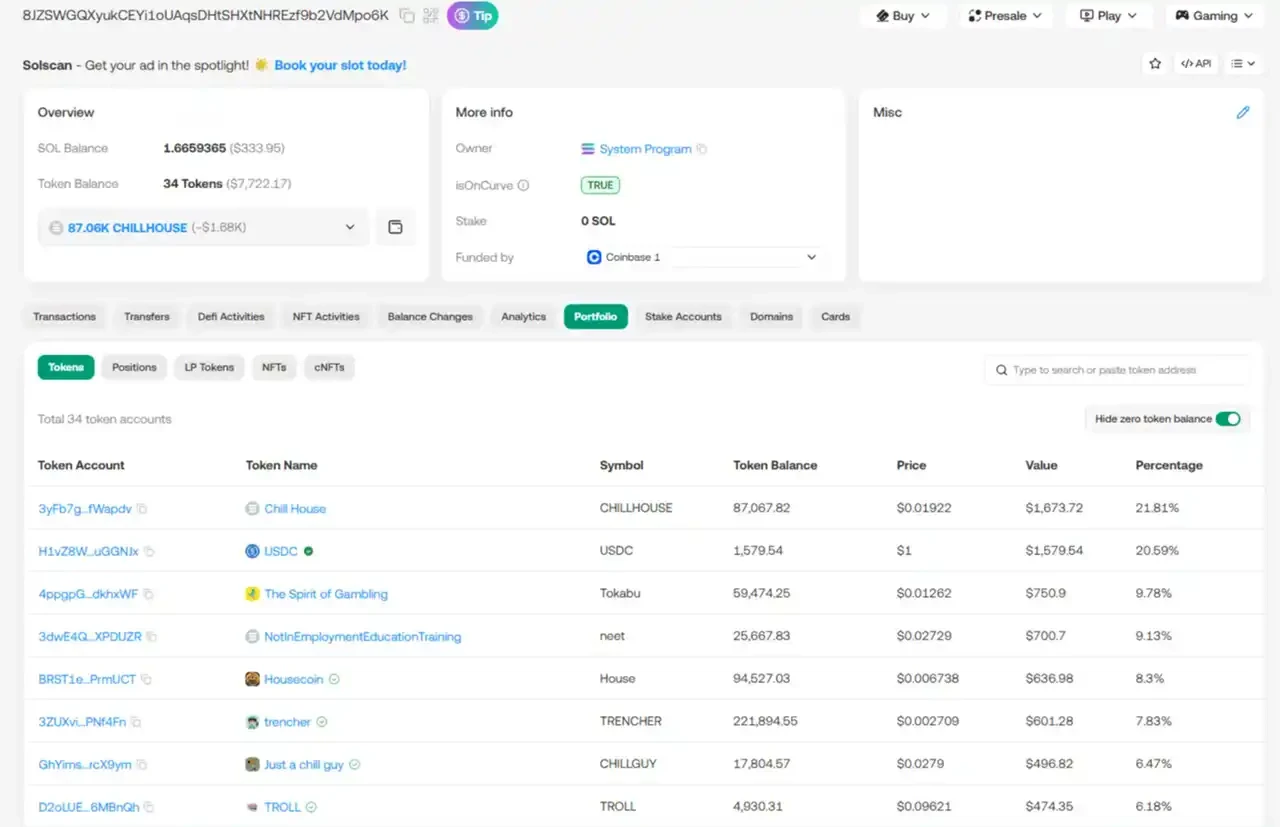
This can be interpreted as him supporting the coins within his own ecosystem. Some time ago, in order to attract meme coins on Solana to bridge to Base, he not only staged an abstract show with Chillhouse, but also personally bought some meme coins on Solana.
Therefore, returning to Jesse's recent announcement of issuing a personal token, the vision he paints should not be readily believed by retail investors. As he commented in his reply to alon, these are his "experiments in making the pie bigger, attempts at new things." On one hand, this statement is reasonable given his position as the head of Base; on the other hand, it reveals his mindset regarding token issuance: "Since it's an experiment, there's a possibility of failure."
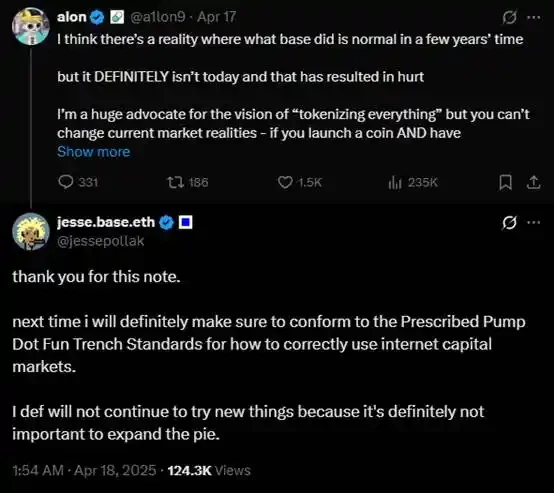
This sounds incredibly harsh to retail investors, but it's not entirely without reason. Even in more mature stock markets, there's always a sign at the entrance warning, "Investing in the stock market involves risks; proceed with caution." No company would consistently push up its stock price out of a desire to "be fair to retail investors." Many meme coins are often called "conspiracy schemes." If information asymmetry equates to a "conspiracy," then perhaps all meme coins are "conspiracy schemes," because every price surge has some underlying purpose.
This difference likely stems from a distinction between Chinese and foreign perspectives, or more precisely, from the differing interests of retail investors and project teams. For many prominent figures in the foreign cryptocurrency community, launching a coin isn't about grand ambitions or heavy moral burdens. Success is attributed to luck or brilliance, failure is simply failure—life is full of failures, and launching a coin is no different. Furthermore, even dedicated developers or prominent figures in the cryptocurrency world don't necessarily possess a deeper understanding of the meme market than retail investors.
For example, the privacy-themed meme token MEC on Solana a while ago originated as a joke by Helius CEO @0xMert_ during a live stream, and was deployed by Synthetix and Infinex founder @kaiynne. At the time, @kaiynne called MEC, his third meme token launch, his "redemption." But all he could do was use the creator revenue generated by the token for buybacks, and then, nothing more.
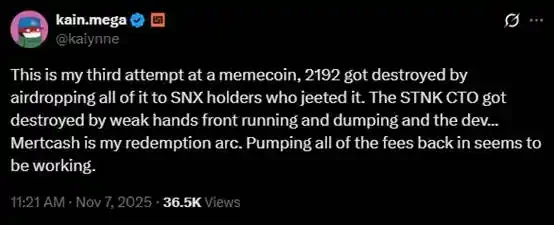
It is unrealistic to pin your hopes on celebrities keeping the price up for fear of damaging their reputations.
Will Jesse be serious this time? It's possible, and the token might surge in the short term after launch, but this potential shouldn't be the basis for a large investment. A more balanced strategy would be to treat it as an experiment with the Base App, purchasing a small amount as an interactive activity in hopes of receiving a future Base token airdrop, thus lowering expectations for the new token.