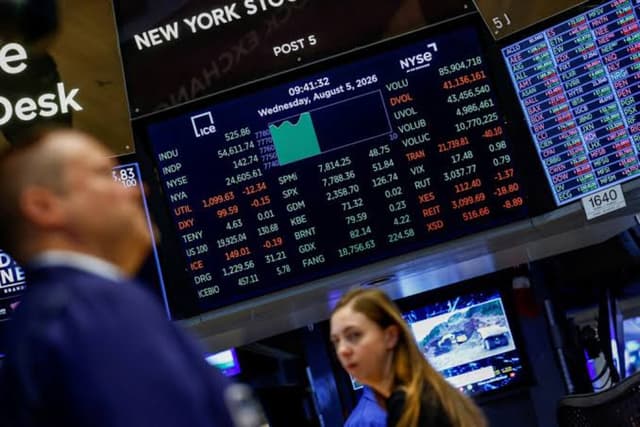




Odaily News - Morgan Stanley Chief Equity Strategist Mike Wilson stated in his latest report that although major U.S. stock indices remain near historic highs, there is clear divergence within the market. 51% of Russell 3000 constituents have fallen more than 20% from their June highs, the median S&P 500 constituent is 16% below its 52-week high, and market breadth has dropped to its lowest level since the dot-com bubble burst, with a divergence of approximately 12% between index prices and market breadth.
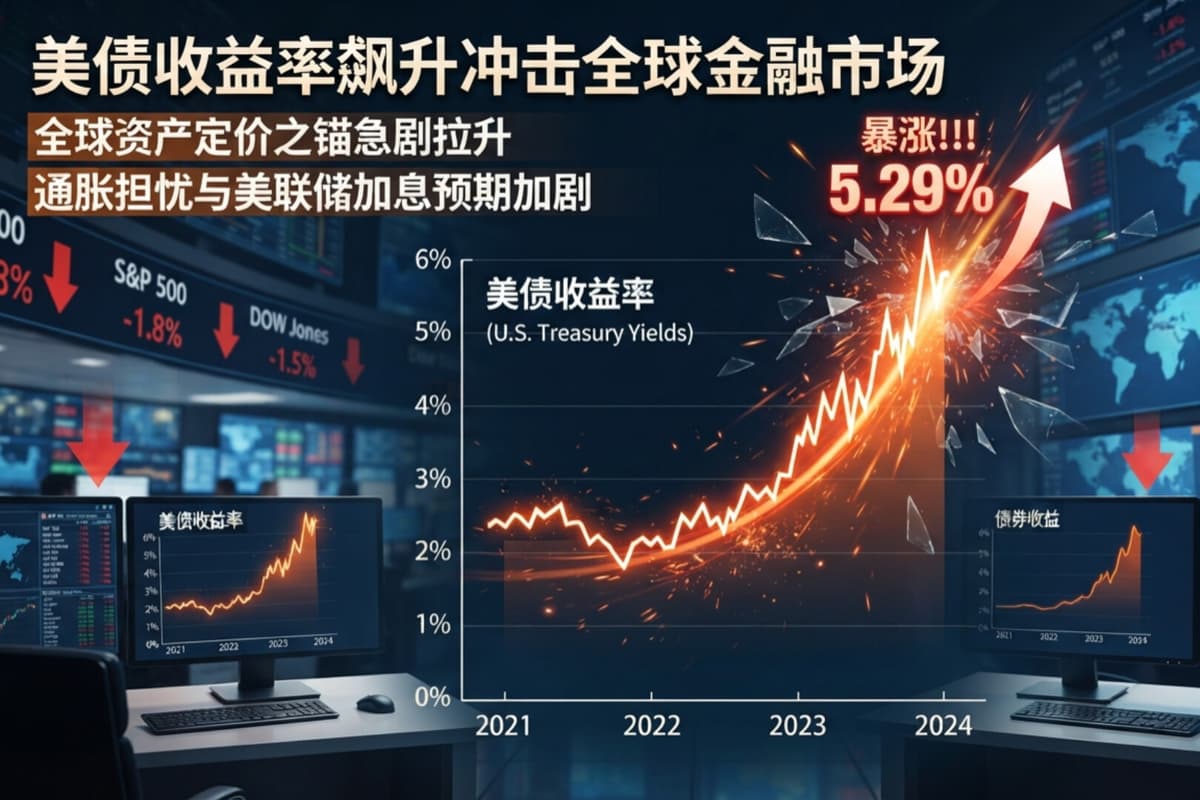
Wilson believes that U.S. Treasury volatility will be the key to determining how this gap is bridged. Currently, the 10-year Treasury yield has risen to 5.25%, the MOVE Index has broken above 100, while the VIX remains below 15. If bond volatility remains elevated, the S&P 500 could pull back approximately 6% to around 7,300 over the next month; if bond volatility subsides first, a catch-up rally in individual stocks could push market breadth toward the index.
Wilson stated that current market weakness is primarily reflected in valuation compression rather than a stall in corporate earnings, and at this stage he favors large-cap quality stocks with continuously improving earnings expectations.

Odaily News: Market news — Ray Dalio, founder of Bridgewater, says the U.S. debt crisis could erupt within 3 years.
Odaily: U.S. Treasuries have recently come under selling pressure, with yields rising to multi-decade highs. Citadel Securities believes the core driver of this move is not worsening inflation expectations, but rather stronger U.S. economic growth, alongside fiscal spending and artificial intelligence investment that are together pushing up demand for capital.
Nohshad Shah, Citadel Securities' head of fixed income sales for Europe, the Middle East and Africa, said in a note to clients on Monday that the rise in the U.S. 10-year Treasury yield in September came almost entirely from real yields, while inflation expectations remained relatively stable. Real yields refer to bond returns after adjusting for inflation. Shah argues that higher real yields reflect a U.S. economy supported by fiscal easing, loose financial conditions, and large-scale artificial intelligence investment.
For the Treasury market, this assessment means that rising yields are not necessarily just an inflation story. As long as the U.S. economy continues to show resilience, while government deficits and artificial intelligence investment remain at elevated levels, investors may demand higher real returns to provide funding, and Treasury yields will therefore face further repricing pressure.